
Radio
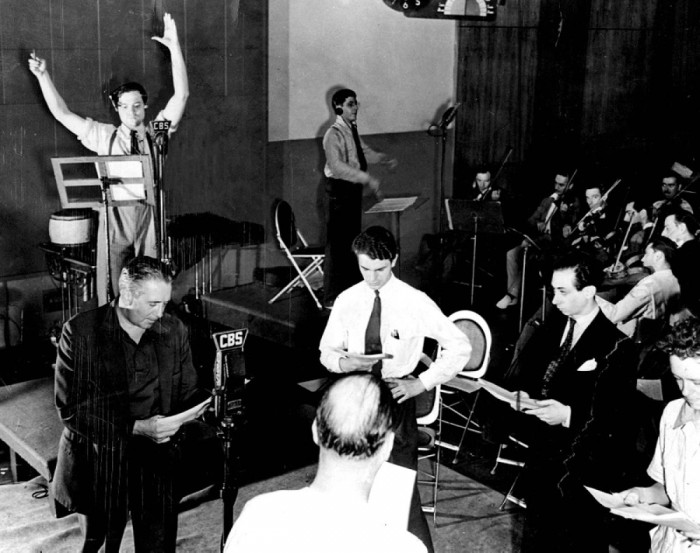
One of the joys of my cinematic education was discovering the Mercury Theatre on the Air, Orson Welles’ distinguished company of actors and their groundbreaking radio plays and adaptations. Unsurprisingly I was drawn to the discovery via the infamous 1938 War of the Worlds adaptation which became a national talking point and is still as potent and inventive these seventy-seven years on.
Welles rightly believed in the power of radio, and used the public’s trust in the medium to deliver a haunting and powerful drama. Using the device of breaking news interrupting a fictional, but very believable, benign radio show was his stroke of genius. As the interruptions increased in frequency and the picture drawn by the news reports grew worse and worse the listening audience must have been begging the radio to cut back to the safety of the studio and the repeated inserts of Debussy.
Many of the original recordings of the Mercury Theatre can be found right here, and they are well worth diving into.
Another key example of using Radio to terrifying the living decibels out of us is Bruce McDonald’s Pontypool. Here a brash radio talk show host becomes the unwitting central voice in the unfolding drama of a zombie outbreak in a small Ontario town. The banality of the fictional talk show slowly gives way to the devastating phone calls from outside reporters and terrified residents, and a horrific picture emerges.
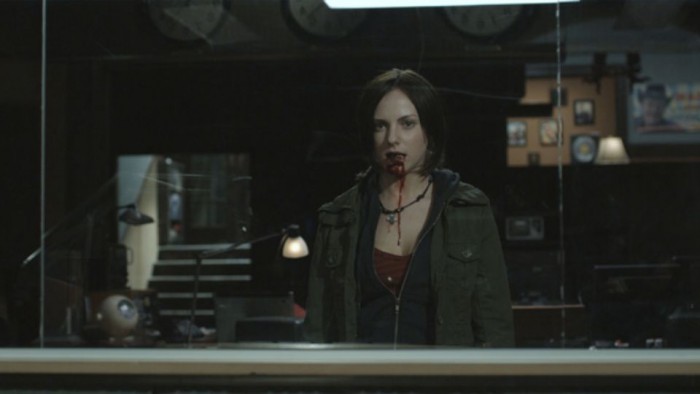
Again it is the belief and trust in the safety of the radio that lays the trap. I’ve fallen asleep to the shipping forecast more times than I care to remember but I wouldn’t have slept so soundly if the forecast concluded with ‘And there appears to be a cluster of strange creatures slowly walking on the water outside Dogger Bank, calling for the flesh of the living’.
TV
The recent poster for Gil Kenan’s forthcoming Poltergeist remake was a calculated call back to the iconic image from the original, that of little Carol-Anne sitting in front of a static-filled TV screen, ghostly hands pressing out towards her. The common currency of a TV allowed, welcomed in fact, into the family home makes it an obvious channel for domestic horror.
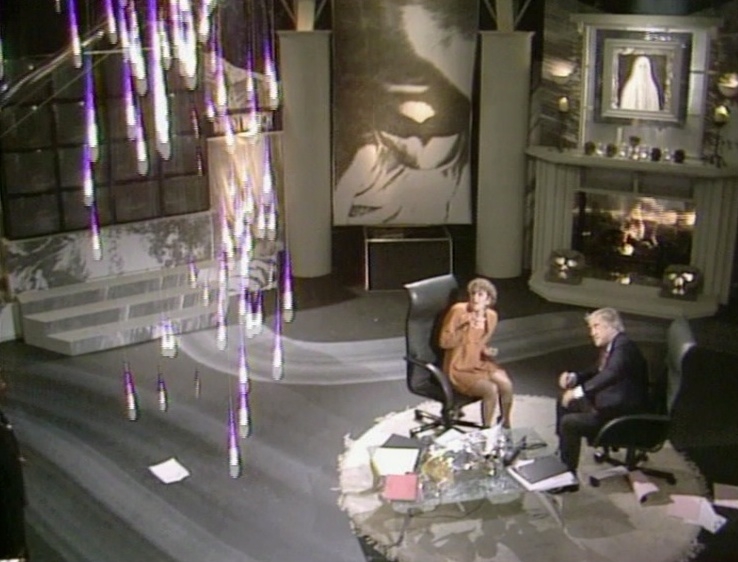
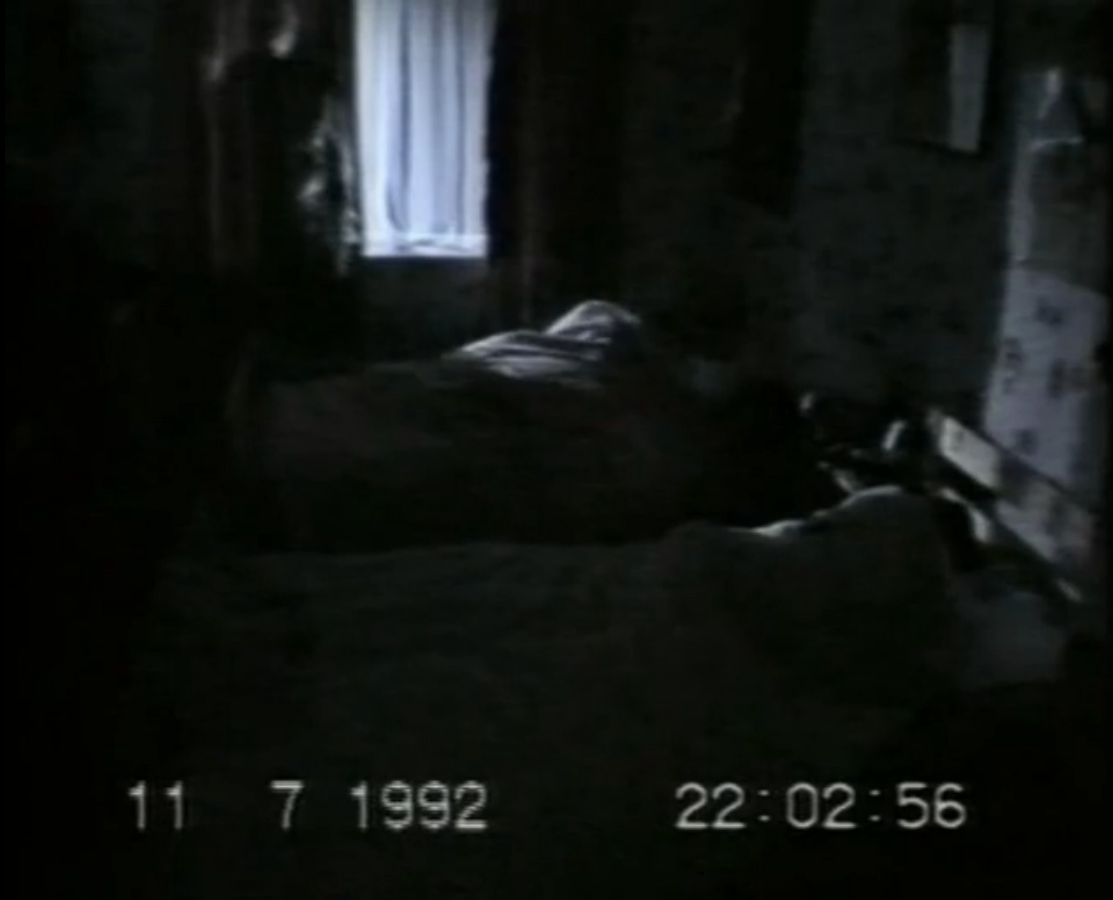
A milestone of TV-centric horror echoed the Welles radio broadcast noted above when in 1992 the BBC gave a coveted 9.30pm Hallowe’en night spot to a one-off drama called Ghostwatch. The play centred around a live BBC investigation of a haunted house, the live broadcast element being particularly popular at the time. Though viewers were angered at feeling duped by the Beeb it is testament to the writer Stephen Volk and the cast and crew for pinpointing the exact frequency of unease at our passive witnessing of ‘live’ events once those events become unexpected and terrifying.
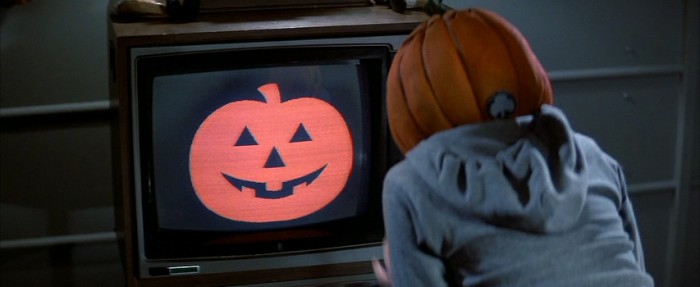
The television itself was used to great effect in Cronenberg’s Videodrome, and in Halloween 3 with the catchy jingle of Silver Shamrock taking on terrifying significance the more it played. Fans of creepypasta will note the strange tale of Candle Cove which uses the power of internet-based nostalgia to excellent effect. Read about Candle Cove here.
VHS tapes
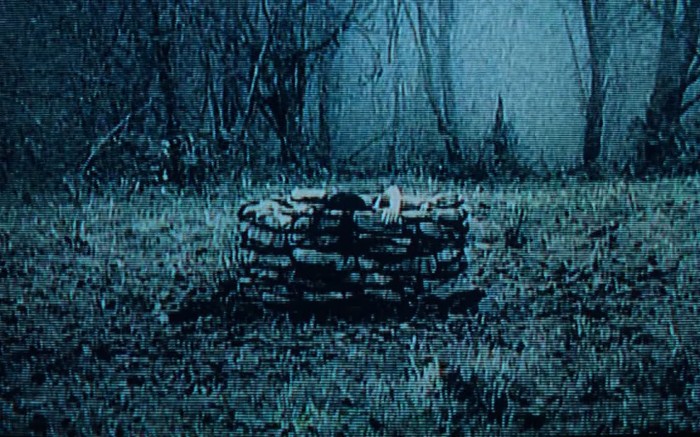
The cursed VHS tape from the original Ring series of films was a gateway to the myriad pleasures of J-Horror for many of us. Watching the first film with a group of friends took a sinister turn when the credits began to roll and my phone immediately starting to ring. And few will forget the moment when interactive TV came to terrifying life.
The stories of Sinister and the ongoing V/H/S series make much of the discovery of abandoned tapes and film reels however it is the ominous arrival of video tapes in David Lynch’s Lost Highway and Michael Haneke’s Caché which makes the most of the format. These unwanted messages from mysterious perpetrators are perhaps the modern equivalent of the horse’s head in The Godfather however there is something utterly eerie about time captured, then replayed to unsettling purpose.
Like Unfriended these films share the notion of bringing something evil inside the home, a primitive fear which forms the basis of almost all horror. However there is something unique about each of these pieces of technology, and there is so much more to explore.
We’ve not covered robots, microwaves, AI (I still maintain that A.I. is one of Spielberg’s creepiest films), cinema itself is worth of examination. Horror aficionados will remember the excitement generated by the announcement of Showtime’s Masters of Horror TV series ten years ago. Giving an hour of prime time TV to the great horror directors each week was a fascinating concept, and its two series are well worth checking out.
The finest hourlong was Cigarette Burns from John Carpenter in which a cursed film is sought, the found, then projected. Definitely worth checking out – the title of the fictional film is enough to send a chill through me even now. The technology I love the most was turned against me.

So, next time you see an unknown call on your phone or accept a friend request be sure you know who, or what it is you’re inviting into your lives. While we remember that technology exists to serve us in our endeavours, we create these devices, these means of communication, the robots under the skin of our everyday lives…
Hold on, my phone is ringing. I’ll be right back.