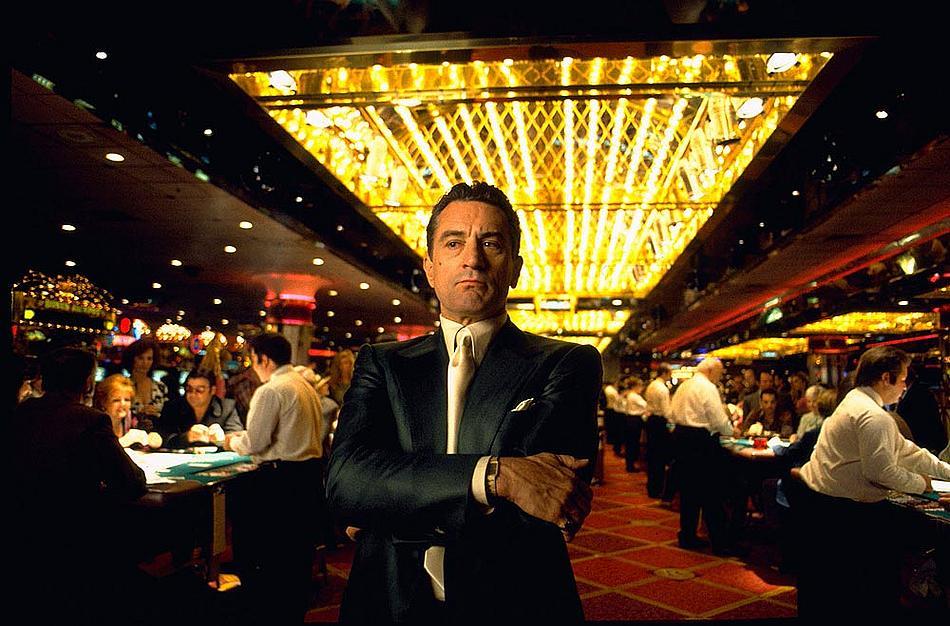
Casino films have a special talent for making the gambling world look mysterious, dangerous and larger than life. Casino, Ocean’s Eleven, Molly’s Game and 21 all take liberties with reality, but that is part of their appeal. The real casino business is far more regulated and much less dramatic. Here are three familiar movie ideas that look very different in a licensed casino.
Do Casinos Really Need to Rig Their Games?
Crooked dealers and secretly fixed tables make great movie material. In reality, a licensed casino has little reason to interfere with a properly regulated game. The mathematics already gives the house its advantage.
European roulette is a good example. The house edge is 2.70%, based on the single zero on the wheel. That figure comes from the rules of the game, not from a dealer changing the outcome.
A licensed operator such as Madison Casino works within a regulated framework. Game results must follow the rules, while electronic games use certified systems designed to produce random outcomes.
The basic difference between film and reality is easy to see:
| Film version | Regulated casino |
|---|---|
| A dealer secretly fixes the table | The game has a built-in house edge |
| The house changes results when needed | Outcomes follow the published rules |
| A winning player threatens the casino | The mathematical margin already favours the house |
| Secret tricks protect profits | Regulation and testing oversee the games |
That does not make roulette predictable for an individual player. A 2.70% house edge describes the long-term mathematical advantage, not the result of the next spin. A player can win several times in a row, just as a casino can have an unlucky session.
This is one reason the real business is less cinematic. There is no need for a secret switch under the table when the rules already create the casino’s edge.
Can a High Roller Really Break the Bank?
The glamorous casino whale is another favourite of the big screen. Molly’s Game and 21 both feature players and games involving large sums, while Hollywood often treats huge wagers as a sign of status.
Belgium’s regulated market tells a very different story. Online casino deposits are subject to a statutory ceiling of €200 per week per account. The figure is a long way from the unlimited bankrolls often associated with fictional high rollers.
That limit changes the picture considerably. A player cannot simply arrive with an enormous budget and keep increasing deposits whenever a losing streak begins. The rules place a clear boundary around the amount that can be deposited.
Movie casinos can therefore feel almost limitless by comparison. Real regulated gambling is built around restrictions that rarely make it into a screenplay.
The same applies to identity checks. Licensed operators have to know who their customers are and comply with regulatory requirements. Those controls are far removed from the anonymous, cash-heavy casino worlds often shown on screen.
For viewers, that contrast is worth keeping in mind. The huge bankroll is a useful storytelling device because it raises the stakes. In a regulated market, financial controls are part of the setting.
Can a Casino Ban a Player on a Whim?
The casino boss who points at a player and orders security to remove them is another familiar scene. Casino has plenty of moments that play with this idea, while Ocean’s Eleven builds much of its fun around the tension between casino security and the people trying to beat it.
Real exclusion systems are considerably less theatrical. Belgium uses EPIS, a national exclusion register managed by the Belgian Gambling Commission. It is not a private blacklist created by individual casino operators. Licensed gambling operators have to check the register before allowing access to gambling activities.
That distinction matters. A casino cannot simply create its own version of EPIS and use it as a personal blacklist. The national system provides a common framework for exclusions across licensed operators.
The contrast with the movies is straightforward:
| Film version | Regulated reality |
|---|---|
| A manager makes a sudden decision | Exclusions follow legal procedures |
| A casino keeps its own secret blacklist | EPIS is a national exclusion register |
| Security acts on personal suspicion | Operators follow regulatory requirements |
| A player can simply try another casino | The national register applies across licensed operators |
This is another case where regulation removes some of the drama. A film can turn a ban into a confrontation between a casino boss and a troublesome player. A national exclusion system is much more administrative.
That may sound less exciting, but it serves a very different purpose. The aim is to apply exclusion rules consistently rather than leave them to the mood of one casino employee.
Why the Real Casino Is Less Dramatic Than the Movies
None of this makes Casino, Ocean’s Eleven, Molly’s Game or 21 less entertaining. Their exaggerated worlds are part of what makes casino films so appealing.
Casino turns the casino floor into a place of power struggles and hidden conflicts. Ocean’s Eleven makes security systems part of a stylish heist. Molly’s Game builds its tension around exclusive poker games and wealthy players. 21 turns card counting into a high-stakes story of skill, money and risk.
Real casinos have fewer secret rooms, unlimited bankrolls and crooked dealers. They have mathematical game rules, identity checks, spending limits and regulatory controls.
That difference is worth appreciating rather than treating every movie scene as a failed attempt at realism. Casino films are built to entertain. Licensed casinos have to operate within rules designed to protect the integrity of the games and the people who use them.
The real world may lack some of Hollywood’s drama, but the contrast makes the films more interesting. The next time a movie shows a dealer secretly fixing a table or a player betting an impossible fortune, the exaggeration is easier to spot.
And perhaps that is the most entertaining part! Hollywood gets to invent the chaos, while real casinos have to follow the rules.