
In fact, the sequel harvest of 1990 proved to be a pretty poor crop across the board. 1989’s Lethal Weapon 2 and Indiana Jones & The Last Crusade had seen both brands at the peak of their popularity, but then again, Star Trek V: The Final Frontier and The Karate Kid Part III proved that it takes more to bring in audiences than simply sticking a Roman numeral after the title.
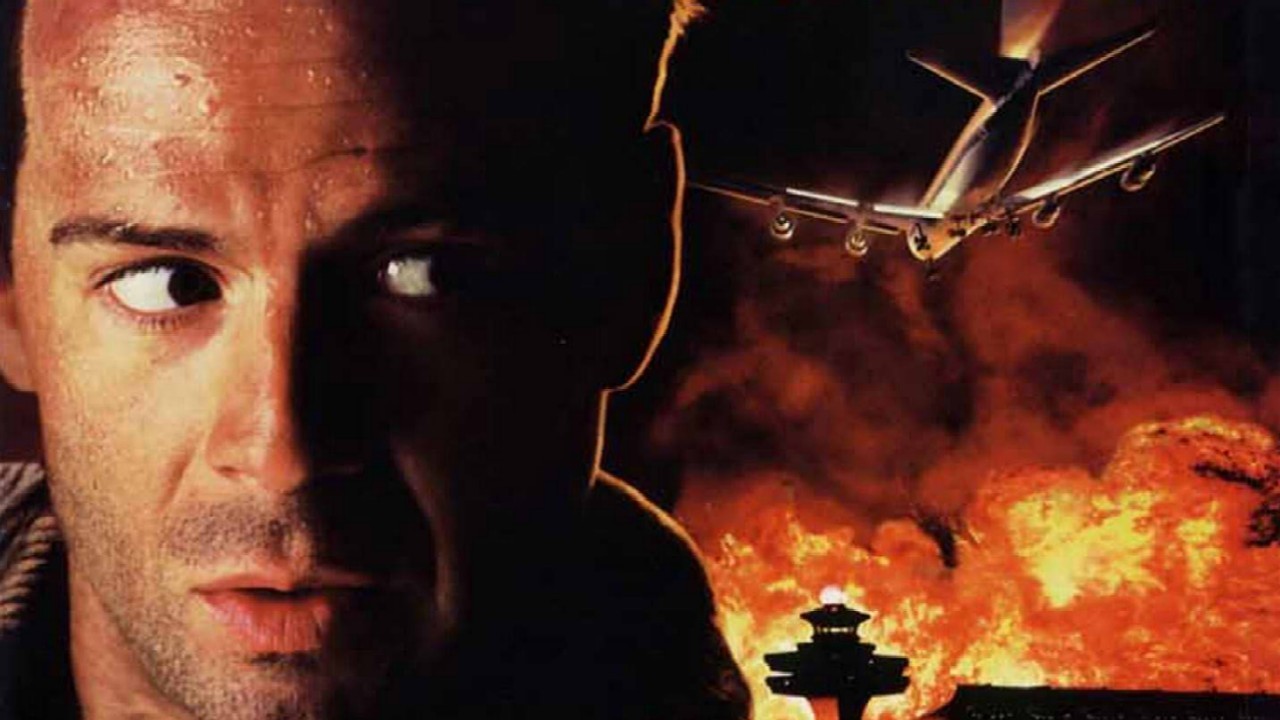
Of the ten-plus sequels released in the summer of 1990, Die Hard 2 alone felt like a film that audiences had actually asked for, with a lead actor (Bruce Willis) whose star was in the ascendant. Elsewhere, Another 48 Hrs, Robocop 2, Young Guns II, Back To The Future Part III and Gremlins 2: The New Batch all disappointed. Back To The Future Part III’s failure was hard to fathom, being perhaps the most purely enjoyable family film of the summer, but audiences had been stung by the unexpected darkness of Part II the previous Christmas.
Joe Dante’s Gremlins sequel though is admirable for the demented, malevolent glee that the director takes in abandoning his remit and skewering the banalities of contemporary culture.
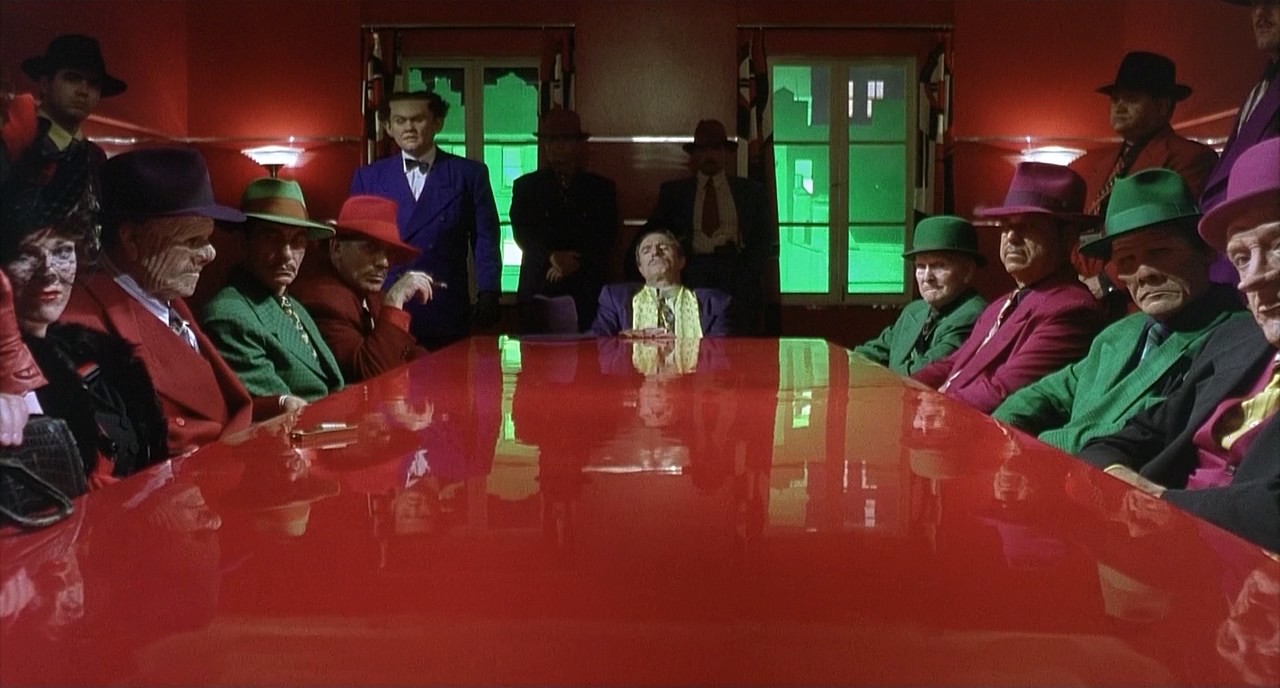
In May, the first blockbuster out of the gate was the Mel Gibson / Goldie Hawn comedy caper Bird on a Wire, one of those films that seemed to have just happened without anyone knowing how or why. The next two weeks saw a relentless release pattern with the most expensive and potentially profitable films of the year replacing each other at the top of the charts on a weekly basis. Back To The Future Part III was swatted away by Paul Verhoeven’s Total Recall, then Another 48 Hrs, Dick Tracy, Robocop 2, Days of Thunder and Die Hard 2 took their respective turns. Tom Sherak, 20th Century Fox’s executive vice president at the time said, “It was almost like a Pac-Man summer. The new features ate up the ones that opened one or two weeks before.”
The common thread shared by most of these films was noise. These were big, macho, in most cases extremely violent blockbusters with brawny leading men and enough combined explosives to flatten a whole town. However, like anything, you can only take so much.

After ten weeks of mayhem, the youth market at which they were targeted started to develop action-fatigue. It didn’t help matters that so many unspeakably terrible films had leaked out amid the carnage – The Adventures of Ford Fairlane, Ghost Dad, Cadillac Man, Navy SEALS and Fire Birds were all unsalvageable wrecks.
Then on July 13th, completely out of nowhere, the director of Airplane! released a low-budget supernatural drama which became the second biggest film of the year and briefly made potter’s wheels a much-desired household accessory. Nobody saw Ghost coming. Few people even knew what it was. ‘ZAZ-master Jerry Zucker directing a romantic thriller?’ puzzled Premiere magazine in its Summer Preview, listing it under ‘Other Possibles’ alongside Men at Work and Duck Tales: The Movie.

Ghost’s enormous success followed the similarly unexpected triumph of Pretty Woman in March (and would be followed later in the year by 1990’s eventual box office champion, the equally unheralded Home Alone), and demonstrated that audiences had grown weary of testosterone-heavy actioners and that female cinemagoers were a huge demographic that the studios had neglected for too long. It showed that you can only bludgeon an audience into submission with limited results and more importantly, that quality shines through.
For the most part, the box office disappointments of Summer 1990 were mediocre films at best. Ghost was a fine and assured film, with a heavy emotional punch, and audiences simply fell in love with it, just as they had fallen in love with Julia Roberts months before.

With two Academy Awards in its back-pocket and a successful West End stage version to give it further lustre, Ghost has withstood the test of time and has even become iconic – hilariously, the following year’s Naked Gun 2½ spoofed the famous Unchained Melody scene and was marketed as being directed by ‘The brother of the director of Ghost.’
How well have other films survived the last 25 years though?