
In 2025, commercial casino gaming revenue in Nevada reached a total of over $15 billion, and casinos on the Las Vegas Strip alone had more than $8 billion. Some of that money is secured in vaults and cages as physical casinos tend to handle a lot of cash. Add bright lights, a house that’s always winning, and high rollers, and you get a story people want to see.
This is why filmmakers love using casinos for heist movies. Below are handpicked iconic scenes from casino heist blockbusters and the little details that made critics and viewers continue talking about them.
Why the Casino Is the Ultimate Heist Playground
Unlike a casino en ligne, which exists only on a screen, a physical casino gives filmmakers vaults, cash cages and security rooms to build an elaborate heist around.
The number one factor is that there’s always a huge amount of cash on site. Second, the heavy security in casinos adds the necessary suspense about what could happen. A 2006 Las Vegas Sun report, for example, put the count at about 3,000 cameras at MGM Grand and 2,000 at Bellagio. And because the house is always winning, the audience loves it when filmmakers flip the script with casino heists.
Casino Heist Movies and Their Iconic Scenes
The following are scenes we believe are unforgettable.
Bob le Flambeur (1956): The Blueprint
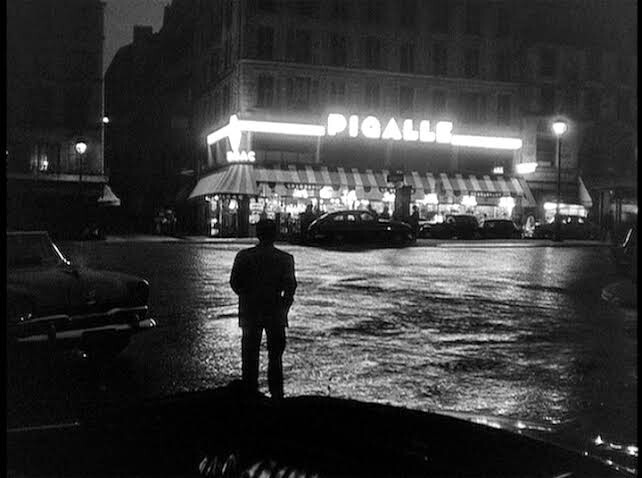
Jean-Pierre Melville was the director of this movie. The protagonist is a character named Bob Montagné, who is a 49-year-old ex-con. His plan is to rob the Deauville casino safe of about 800 million francs with the help of his safecracker friend Roger and a hired crew. And in terms of performance, the film sold more than 700,000 tickets in France. Roger Ebert, a famous American film critic, added it to his Great Movies list in 2003. It is often cited as an influence on the 2001 version of Ocean’s Eleven.
Ocean’s 11 (1960): Rat Pack Cool on the Strip
This premiered in Las Vegas before being released on August 10, 1960. The crew for this film was a group of World War 2 82nd Airborne veterans, and their target was five casinos on New Year’s Eve. Apparently, they were as precise as a military operation, with each of them taking jobs in those five casinos.
It was successful, earning about $5.5 million back then. However, there was criticism about the style and lack of suspense, with Time Magazine calling it an excuse for Frank Sinatra and his Rat Pack friends to hang out together. And the ironic ending, where the coffin containing the loot was cremated instead of buried, wasn’t satisfying for many critics.
Croupier (1998): The Heist From Behind the Table
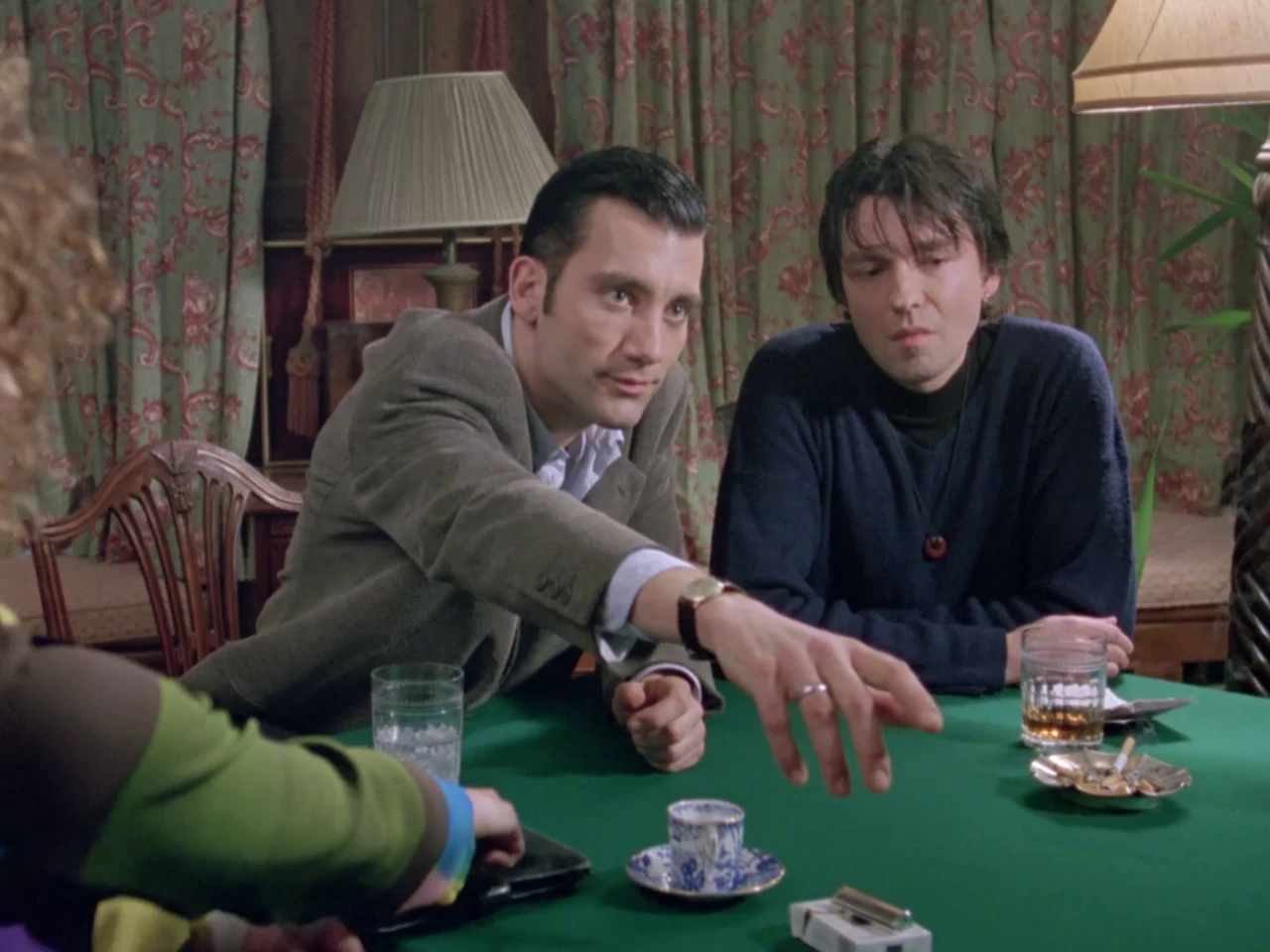
Clive Owen plays Jack Manfred in this film as an ambitious but unsuccessful writer. Basically, it explains what gambling looks like from the other side of the table. Jack is seen as positioned between casino bosses and bettors. So when the robbery happened, only a glimpse of men carrying guns was shown, and that was it. Nevertheless, it was a pretty successful film, earning more than $7 million at the box office on a £3 million budget. An interesting fact? It is set in a second-rate London casino instead of a Las Vegas palace.
Ocean’s Eleven (2001): The Bellagio Vault
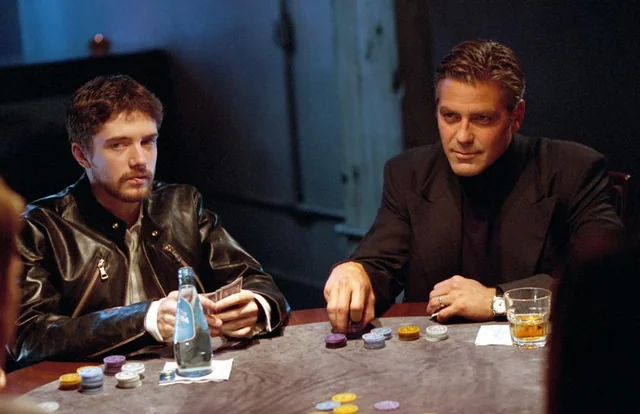
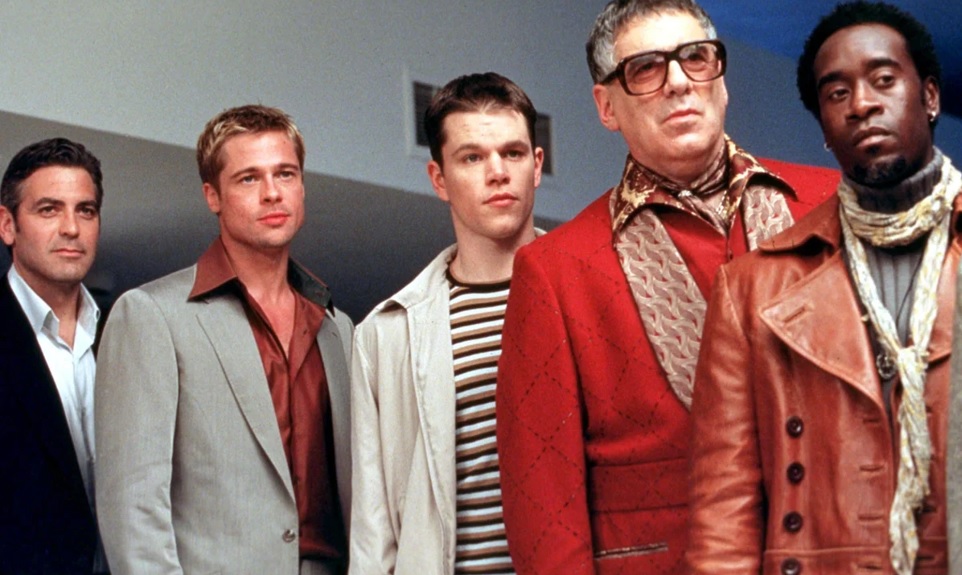
The first thing viewers notice about this movie is the star power. It brought together George Clooney, Brad Pitt, Matt Damon, Julia Roberts, Bernie Mac and Elliott Gould. The film cost $85 million to make, and a year earlier Julia Roberts had become the first actress to earn $20 million for a single role, in Erin Brockovich. Was it successful? Yes, it earned more than $450 million at the box office.
The plot contributed to this success. An iconic scene is the replica vault the crew builds to feed fake footage to the casino’s surveillance team while they steal $150 million from the real vault during a boxing night. In real life, Bellagio didn’t let them film in its actual vault. So, that part of the movie was all on their production set. At the end of the movie, they watch the Bellagio fountains and leave one after the other.
Ocean’s Thirteen (2007): Rigging the Whole Casino
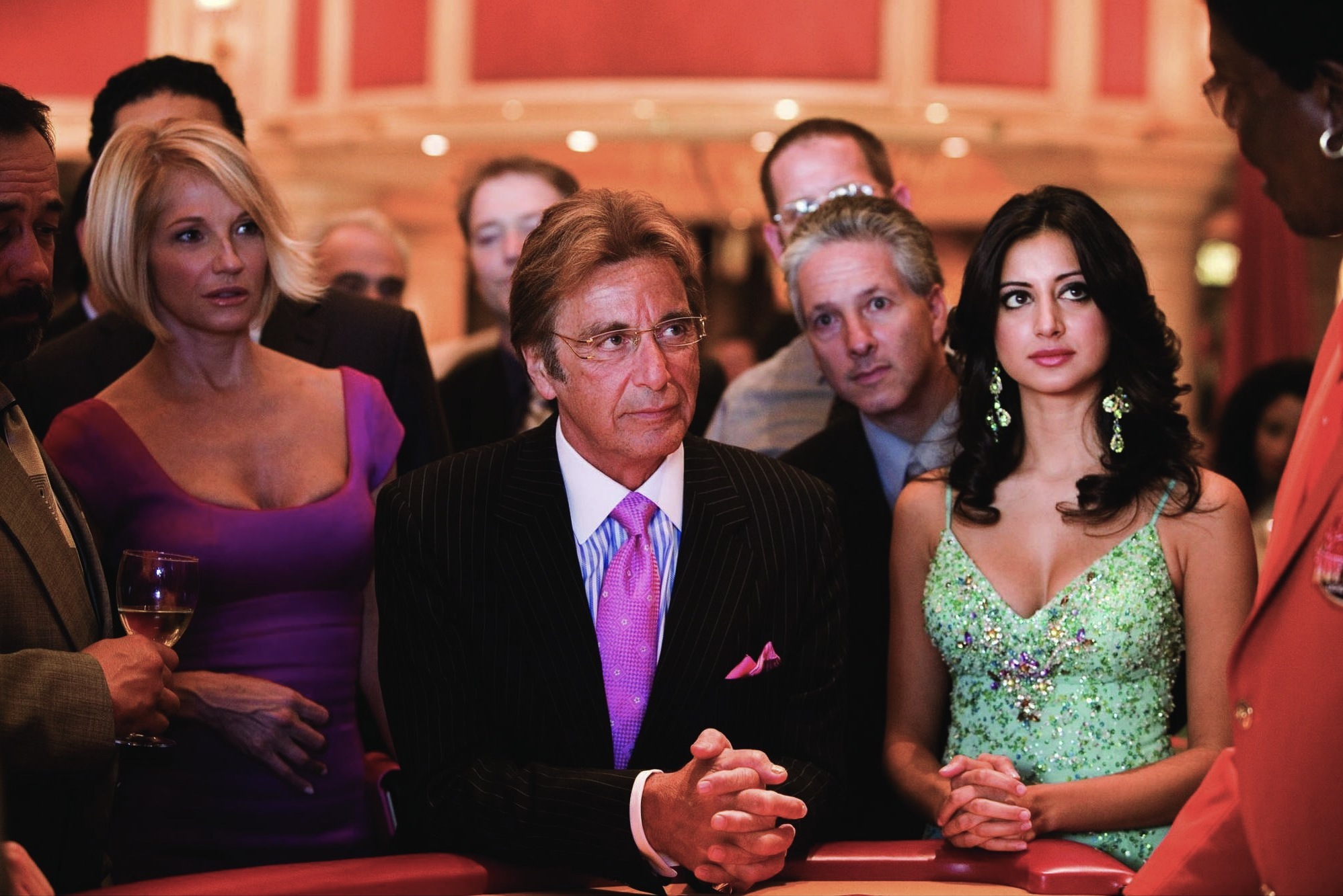
The plot of this film is based on a crew that seeks revenge on a casino boss named Willy Bank, played by Al Pacino, who double-crosses one of their own. However, they didn’t just rob the casino as many movies usually do. Instead, they rigged the casino games with the intention of making it pay millions in winnings.
First, they beat the computer system that makes sure every win is real. Then they loaded the dice, rigged the games, and created a fake earthquake from drilling machines. One notable incident was when a hotel reviewer who was treated badly in the film won $11 million on one of the rigged slot machines.
The Tropes These Scenes Created and Why Filmmakers Keep Going Back
Viewers find hidden tropes in these scenes. First is the security walk-through. For instance, in Ocean’s Eleven, the crew builds a full copy of the Bellagio Vault to practice. Second is the inside man, with the Croupier as an example. It was the casino’s own dealer who helped plan the robbery.
Third is the con within a con, with what happened in Ocean’s Eleven as an example. The twist ending is another trope. Bob le Flambeur, for instance, is known for an ending consistently linked with this genre of films. In Ocean’s Thirteen, you will find the calm walkout trope, where the casino’s own guests walked out with their winnings after the fake earthquake. Decades apart, these films keep returning to the same idea: the casino is built to look untouchable, which gives filmmakers a ready-made obstacle for a crew to plan around.