Few moments in sporting history carry as much weight as Argentina’s 2-1 victory over England in the 1986 World Cup quarter-final. Best remembered for Diego Maradona’s notorious “Hand of God” and the dazzling second goal that followed, often called the “Goal of the Century”, it was about considerably more than football. The Match(originally El Partido) is a handsomely made Argentine documentary that revisits that afternoon at the Estadio Azteca in Mexico City and the sporting, political and cultural baggage the two teams carried onto the pitch.
Directed by Juan Cabral and Santiago Franco, and based on Andrés Burgo’s book El Partido, the film began almost by accident. Cabral gave Franco a copy of the book as a birthday present, and Franco was so taken with it that the two decided to make a documentary about it. That personal enthusiasm shows. Cabral, who lived in England for a decade, has described the film as a slightly odd love letter to both countries, and it tends to avoid cheerleading for either side.
The film’s strength lies in how it places the match within its wider historical context. Played just four years after the Falklands War, the game was charged with an intensity that went far beyond the usual footballing rivalry. The documentary takes the long view, tracing tensions between the two nations back through history and even revisiting the two sides’ fractious quarter-final at the 1966 World Cup. It opens by asking when a match really begins and when it ends, a question that lingers over everything that follows.
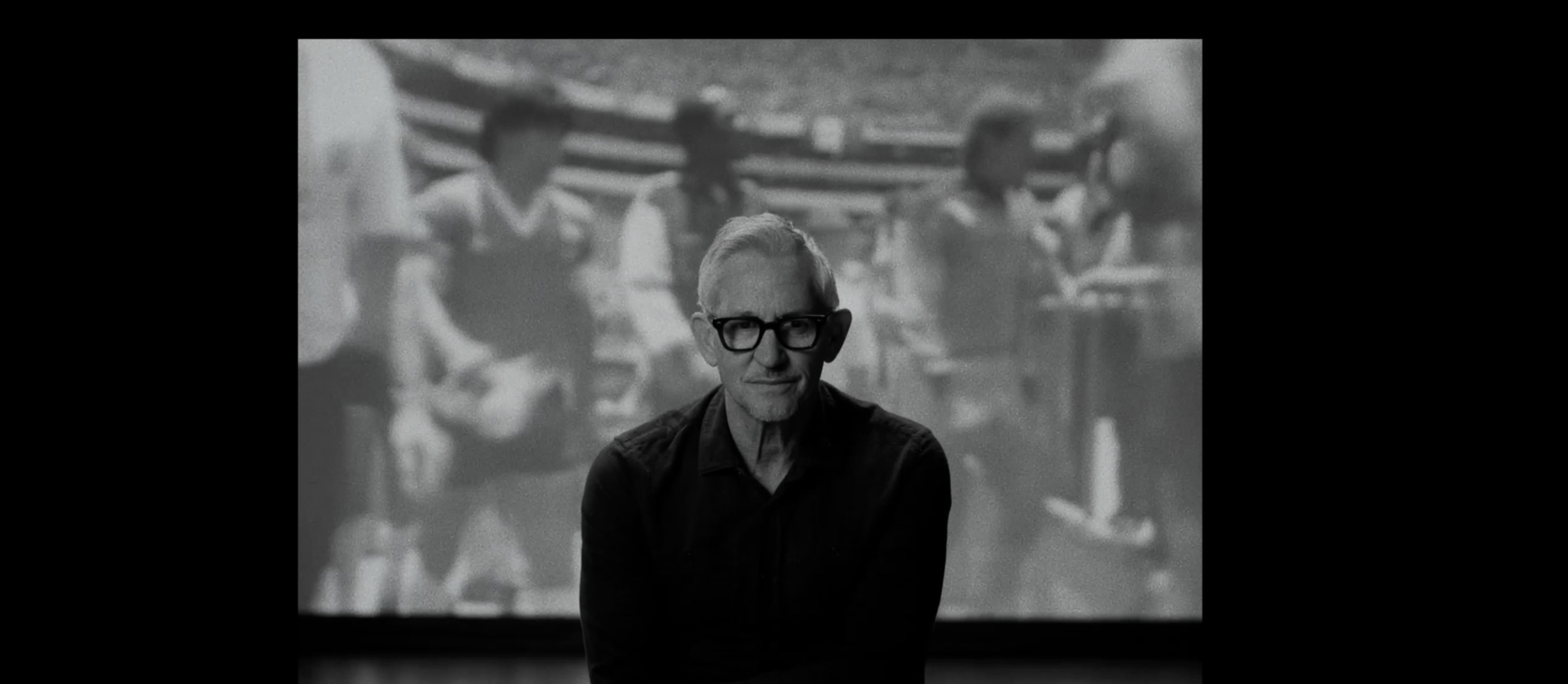
Archive footage is combined with interviews with players from both sides. Gary Lineker, John Barnes, Peter Shilton, and Jorge Valdano appear alongside Argentine players such as Oscar Ruggeri, Ricardo Giusti, Julio Olarticoechea, and Jorge Burruchaga. They are filmed in striking black-and-white sit-down conversations as they watch the action back, which gives the whole film a reflective, almost ceremonial feel. The contributors seem to speak candidly, and the film is careful not to force an Argentine interpretation of events onto its English participants. Together, they capture the atmosphere, hostility, and emotional investment surrounding the occasion, and show how football can become tangled up with national identity, politics, and collective memory.
The match itself remains the star, and revisiting those two Maradona goals is every bit as gripping as you might expect. The film dwells on the controversy of the first, and the sense of suspense it builds is notable given how well known the outcome is. The second, meanwhile, still looks astonishing, and the heightened commentary that accompanied it adds to the sense of watching a legend take shape. The film also lingers on lesser-known details, such as the superstitions and obsessions of Argentina’s coach, Carlos Bilardo, and the match’s afterlife, from the price its shirts now fetch to the way both sides have remembered it ever since.
If there is a quibble, it is that the soundtrack occasionally leans a little too heavily on familiar choices, and viewers who know the story inside out may find some sections reassuringly familiar rather than surprising. But The Match is about more than reliving highlights. It asks what made this particular game so significant and why it still resonates decades later, ending on a note as warm as it is unexpected. Well constructed and absorbing, it should appeal not only to football fans but to anyone interested in the history behind one of sport’s most talked-about events.